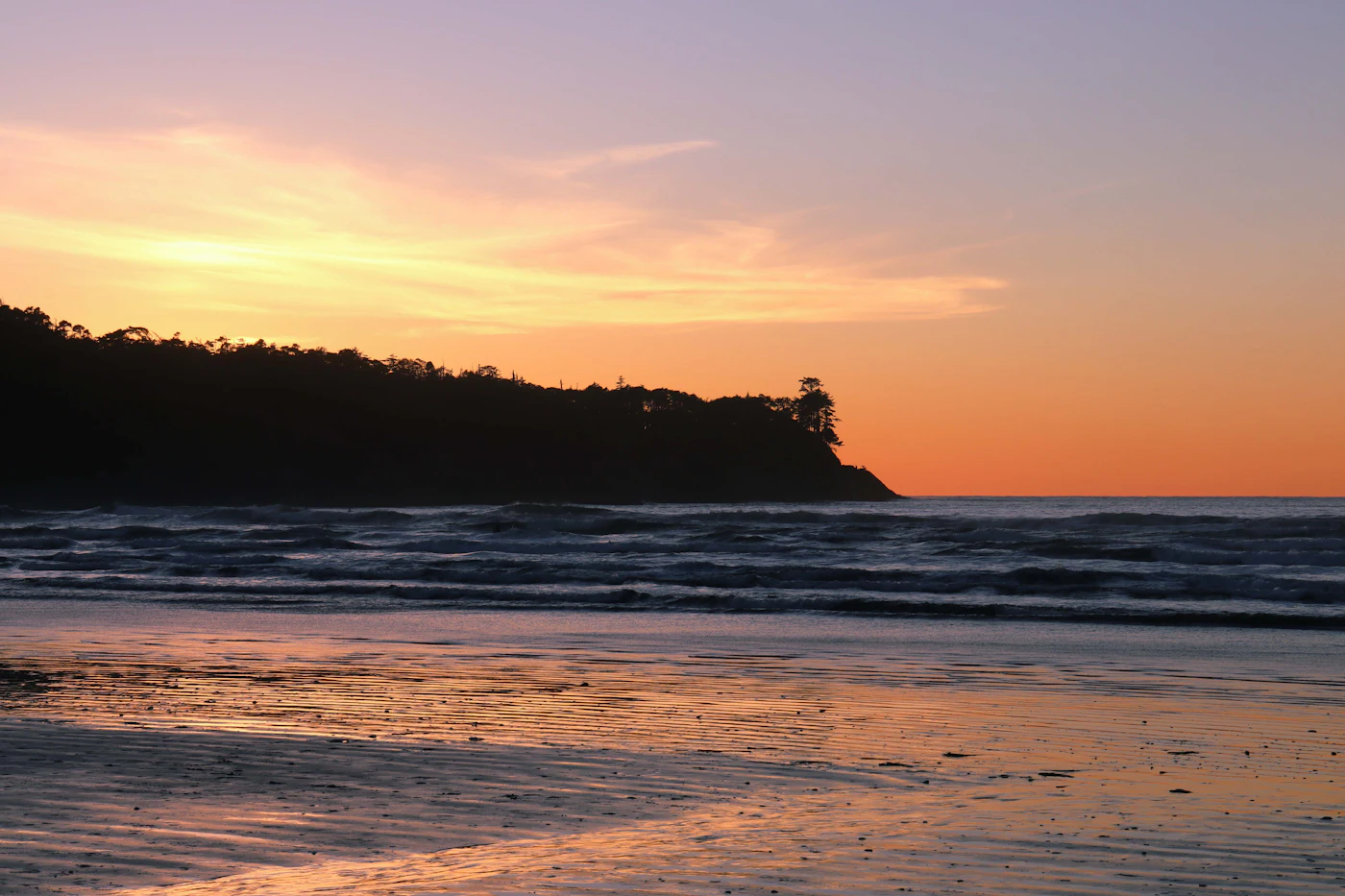
Canada is not the first country that comes to mind when people think of beach destinations — and yet it holds one of the longest coastlines on Earth, spanning three oceans and encompassing beaches of extraordinary variety. From the surf-battered Pacific shores of Vancouver Island to the warm red-sand coves of Prince Edward Island, from the wild beaches of Newfoundland to the freshwater shores of Lake Huron, Canada's beaches are among the most diverse and spectacular in the world. This guide uncovers the best of them, coast to coast.
Whether you're planning a summer road trip, a family vacation, or simply looking for a Canadian beach that will take your breath away, this comprehensive guide covers the top beaches across every region of the country. For more off-the-beaten-path discoveries, see our guide to Canada's best hidden gems.
Pacific Coast: British Columbia
British Columbia's coastline is among the most dramatic in the world — a rugged fjord-cut shore backed by snow-capped mountains, scattered with thousands of islands, and washed by Pacific swells. The water is cold (rarely above 14°C), but the scenery is unmatched, and the surf culture on the west coast of Vancouver Island rivals anything in North America.
Long Beach — Pacific Rim National Park Reserve
Long Beach is the crown jewel of Pacific Canada — a 16-kilometre arc of pale golden sand, hammered by consistent Pacific surf, backed by old-growth rainforest and within Pacific Rim National Park Reserve. It is accessible year-round but at its most dramatic in winter when massive Pacific storms roll in and the surf reaches towering heights. Surfing, beachcombing, and storm-watching are the defining activities. Tofino, the adjacent town, has evolved into one of Canada's most interesting small destination communities, with excellent restaurants, galleries, and Indigenous cultural experiences.
- Surfing — lessons available from multiple Tofino schools year-round
- Storm-watching in October–February (a dedicated tourism phenomenon in Tofino)
- Whale watching — grey whales migrate past in March–April and October
- Indigenous cultural tours with Tla-o-qui-aht First Nations operators
Chesterman Beach
Just south of Long Beach, Chesterman is the more accessible and family-friendly alternative. A low-tide sandbar connects the beach to Frank Island — a tiny wooded islet — creating one of the most magical tidal walking experiences in BC. The beach faces directly west, and the sunsets here are legendary. The Wickaninnish Inn, perched on the rocks at the beach's north end, is one of the finest hotels in Canada.
- Check tide tables — Frank Island is only reachable within 2 hours of low tide
- The north end near the Wickaninnish is the most scenic and least crowded section
Rathtrevor Beach Provincial Park
Rathtrevor holds a special record in BC: the warmest ocean swimming in the province. The broad, gently sloping beach faces a shallow inlet where tidal flats allow the incoming tide to warm significantly before covering the sand, producing water temperatures that can reach 20°C in August. The campground here fills within minutes of reservation windows opening; book far in advance for summer stays.
- Best swimming is at incoming tide in July–August afternoons
- The sandcastles festival in late July is a beloved regional event
Atlantic Canada: Prince Edward Island
Prince Edward Island's beaches are arguably the most distinctive in Canada — defined by the island's iron-rich red sandstone geology, which produces sand and cliffs in extraordinary shades of crimson and burnt orange. The Gulf of St. Lawrence here is shallow and warm, reaching swimming temperatures of 20°C or more by late July, making PEI the warmest ocean swimming destination in Canada outside of BC's sheltered coves.
Cavendish Beach — PEI National Park
The most famous beach in Atlantic Canada, Cavendish sits within Prince Edward Island National Park and offers kilometres of fine red-tinted sand backed by ecologically significant dune systems. The water is warm by Canadian ocean standards, supervised swimming areas are available throughout summer, and the nearby Anne of Green Gables heritage sites make Cavendish the default destination for most PEI visitors. Book accommodation far in advance for July and August.
- Arrive before 10am in peak summer to find parking and a quiet stretch of sand
- The national park Discovery Pass is excellent value if visiting multiple PEI park sites
- Dune boardwalks protect fragile marram grass — always stay on marked paths
Basin Head — The Singing Sands
Basin Head's extraordinary quartz sand produces a distinctive squeaking sound when walked on — the "singing" that gives the beach its popular name. The shallow tidal lagoon behind the beach creates a perfect children's swimming area, and the Fisheries Museum of the Atlantic provides fascinating maritime heritage context. Far less crowded than Cavendish, Basin Head rewards those willing to drive east.
- The singing effect is best heard on dry, sunny days when the sand is warm
- Combine with Red Point Provincial Park (10 minutes west) for the best red cliff scenery
Nova Scotia & Cape Breton
Nova Scotia's coastline wraps around two sides of a peninsula and encompasses beaches of remarkable variety — the wild, surf-exposed Atlantic shores and the warmer Northumberland Strait beaches facing PEI. Cape Breton's beaches are fewer but breathtaking in their mountain-sea setting.
Ingonish Beach — Cape Breton Highlands National Park
One of the most dramatic beach settings in Canada, Ingonish Beach sits where the Cape Breton Highlands meet the sea. The beach is divided by a freshwater lake on one side and the open Atlantic on the other — visitors can swim in both within minutes. The surrounding Cabot Trail scenery is spectacular, and the beach sits within the national park. It is a long drive from anywhere, which is precisely its appeal for those seeking an uncrowded experience.
- The freshwater lake side is calmer and warmer — ideal for children
- The Keltic Lodge resort offers a classic Cape Breton experience near the beach
Mavillette Beach Provincial Park
Often ranked among the finest beaches in Atlantic Canada by those who know Nova Scotia well, Mavillette is a long, wild, undeveloped stretch on the southwestern coast. The beach extends for kilometres in near-perfect isolation, backed by marram dunes and salt marshes that shelter exceptional birdwatching. Located in the Acadian heartland of Nova Scotia, the surrounding area offers excellent French-Acadian culture and cuisine in nearby villages. For more scenic coastal discoveries, see our best scenic drives guide.
- Best visited in June or September to avoid the few summer crowds it attracts
- The salt marshes at the north end are exceptional for bird photography
Ontario: The Freshwater Shores
Ontario's Great Lakes shoreline encompasses some of the finest freshwater beaches in the world. Lake Huron and Georgian Bay, in particular, offer white-sand beaches and surprisingly warm, clear water that astonishes most visitors unfamiliar with Ontario's geography.
Sauble Beach
Sauble Beach is one of the longest freshwater beaches in the world — an 11-kilometre stretch of fine white sand on the eastern shore of Lake Huron. Water temperatures typically reach 22–24°C by mid-summer, genuinely warm for swimming. The beach has a well-deserved reputation as Ontario's answer to a seaside resort, with a lively beachfront, excellent sunsets over the lake, and a loyal following of families from across Southern Ontario.
- The north end of the beach is quieter and more natural than the town centre section
- Sunset parking fills early — arrive by 4pm for the famous Lake Huron sunsets
Sandbanks Provincial Park
Sandbanks contains the largest freshwater baymouth bar dune system in the world — a UNESCO-recognized geological phenomenon on Lake Ontario. The beaches here are extraordinary: enormous white dunes backing kilometres of fine sand. The park campground fills within minutes of Ontario Parks reservation windows opening in January. It is the most sought-after campsite in Ontario, and the combination of Sandbanks with Prince Edward County's wine region makes it one of the finest Ontario weekends possible.
- Book campsites the moment Ontario Parks reservation windows open in January
- The Outlet Beach area has the most spectacular dune scenery
- Prince Edward County wine touring pairs beautifully with a Sandbanks weekend
Wasaga Beach
Wasaga Beach holds the record as the world's longest freshwater beach — 14 kilometres of white sand on Nottawasaga Bay, an arm of Georgian Bay. It draws millions of visitors annually from the Greater Toronto Area. The water is warm and shallow, ideal for families with young children. For a more peaceful experience, Beach Areas 5–6 at the western end of the park offer the same sand and water without the resort-town crowds of the main beach area.
- Beach Areas 1–2 are the busiest; Areas 5–6 offer peace and quiet
- Combine with a visit to Collingwood and the Blue Mountain area for a full weekend
Most Canadian beaches are best between late June and early September. PEI and Ontario waters warm the most, peaking late July–August. Pacific BC beaches are scenic year-round but cold for swimming. Northern and Newfoundland beaches are accessible in July–August and offer extraordinary wilderness settings.
Plan Your Canadian Beach Adventure
From Pacific surf to Atlantic warmth — explore all our Canada destination guides and start planning.
Scenic Drives Guide Road Trip Destinations